
Standardising a fleet of sea water pumps
Thirty years of repairs had left every pump in a remote fleet different from the next. One standard design, tested procedures and a critical spares stock brought them back into line.
01Project description
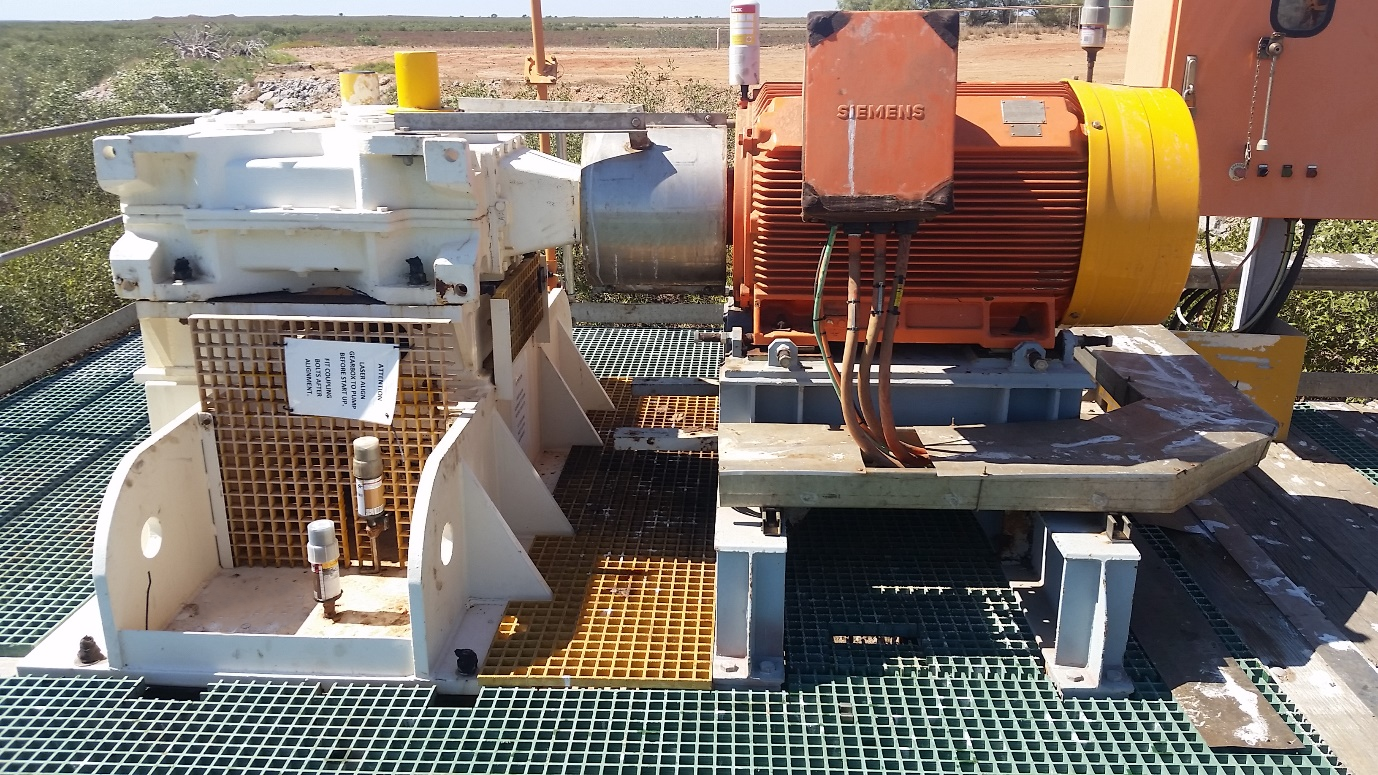
A fleet of high-volume sea water pumps based at a remote site had undergone various repairs and changes over thirty years. The new OEM parts no longer fitted the fleet and each pump had a mix of original and bespoke parts. The client requested a standardisation across the fleet, with parts design that favoured ease of maintenance and pump refurbishment. A set of drawings that could be retained, along with installation and repair manuals, was part of this request.
02Solution
After weeks spent with the maintenance and overhaul teams to gain an appreciation of the methods and resources available for day-to-day operations, a draft scope was prepared for discussion with the stakeholders. A direction was agreed upon and the design intent was formalised.
The part versions that caused the most failures, created difficulty in refurbishment and had an unreliable supply chain were identified and discarded. A CAD model of the entire pump was created to enable standard parts to be manufactured on demand.
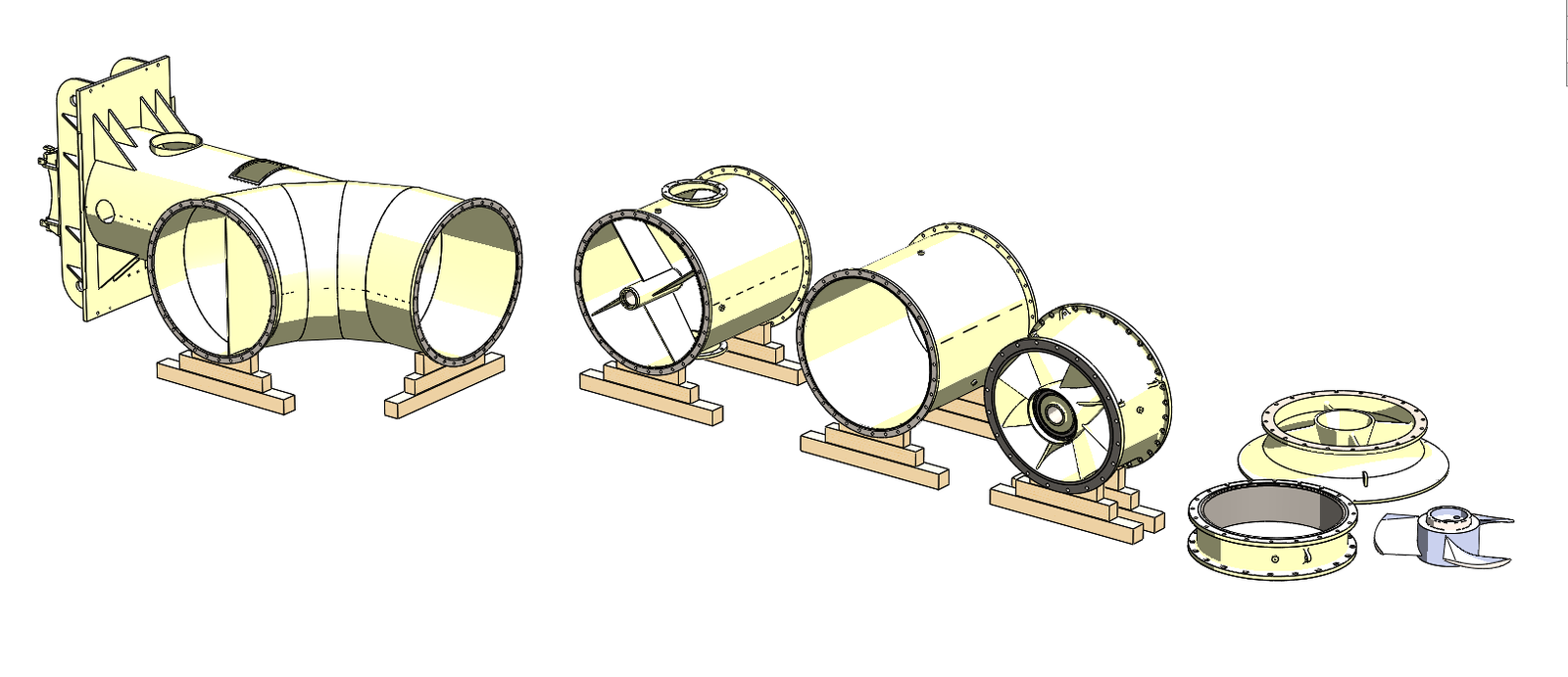
The tolerance fits between all parts were able to be clearly decided holistically. Some redesign was undertaken to allow easier access for the site maintenance team.
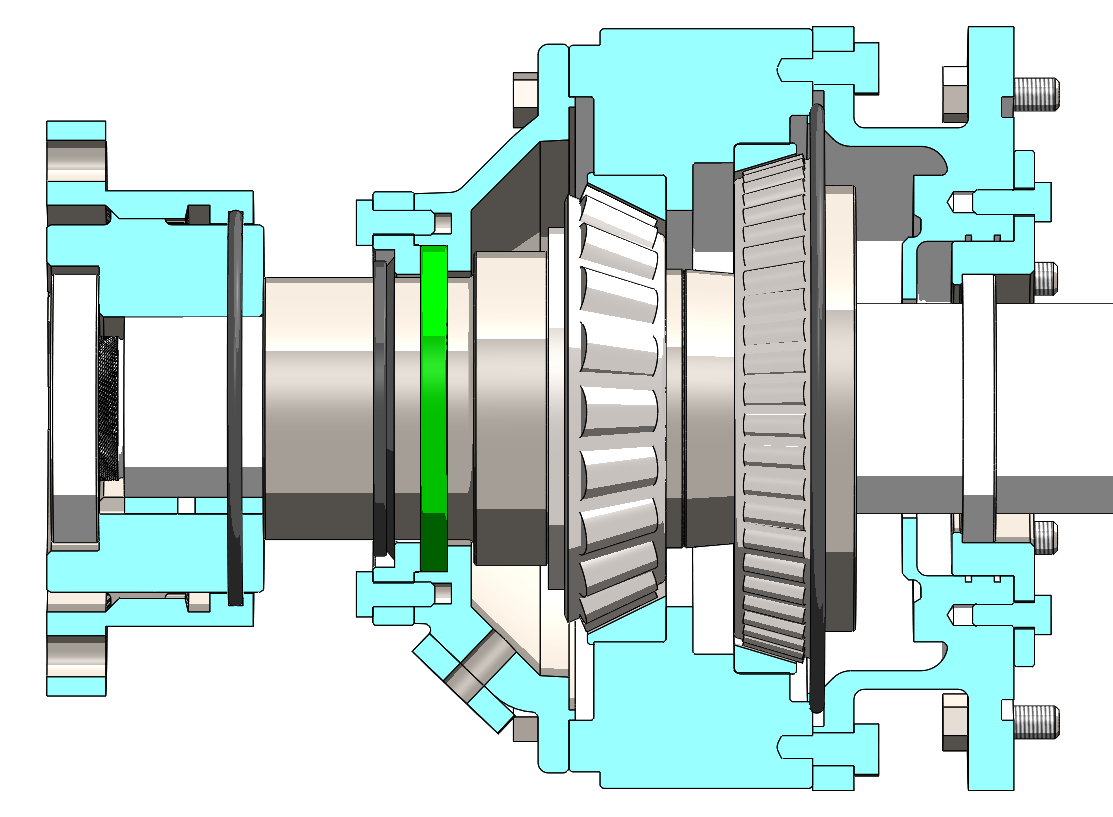
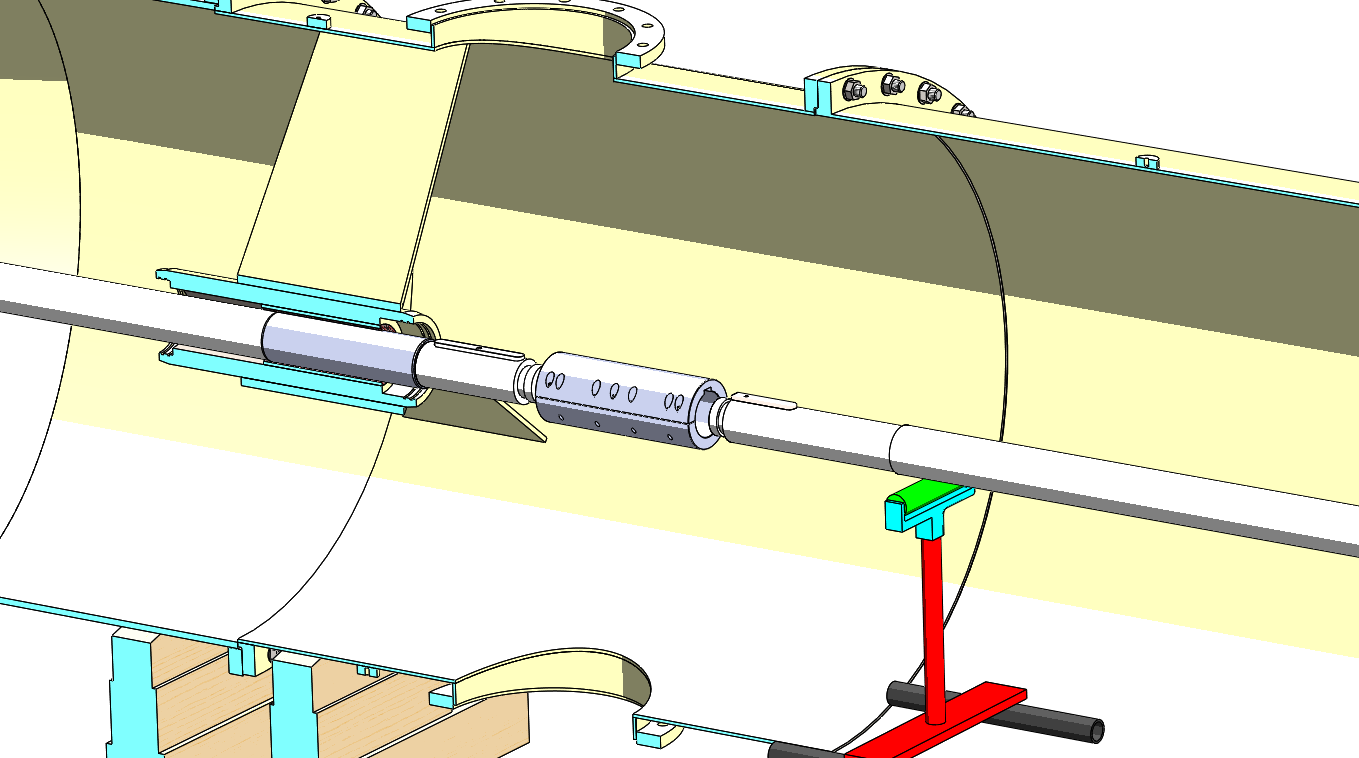
Repair and refurbishment procedures could now be created and then tested in the field and factory. A list of critical spare parts was generated and manufacturing drawings made to enable a critical stock to be built.
03Outcome
As the pumps came in for refurbishment they were standardised with the selected parts. Over a five-year period almost the entire fleet had been rebuilt to the new standard. The project was kept active to receive feedback from the site teams and the refurbishment factory. This enabled revisions to be made as better practices became evident.
A stock of common spare parts and predictable repair and refurbishment practices allowed for consistent job planning and budgeting for all the parties involved.